The parts counter dilemma in Venezuela
Anyone who owns a car or runs an automotive business in Venezuela knows firsthand how much the brand landscape on our roads has shifted. Asian vehicles—especially models from brands like Chery and Haima—went from being a novelty to becoming true daily workhorses. They are reliable, tough, versatile vehicles, but they share an undeniable reality: their peak performance depends entirely on the quality of the parts installed during routine maintenance.
That’s where the real headache begins at the parts counter. When you go to buy, the domestic market is flooded with options of every kind. Counter reps offer you identical boxes, labels with supposedly original logos, and price tags that vary so widely they leave you second-guessing everything. How can you tell if you’re buying a long-lasting fix or a major breakdown waiting to happen? The rise of cheap knockoffs has turned into a costly trap. It doesn’t just put the customer’s wallet at risk—it damages the reputation of auto repair shops and parts distributors alike.
Learning to tell a heavy-duty part from a cheap replica isn’t a luxury; it’s a safety requirement. In the following sections, we’ll walk you through the simple and technical details needed to evaluate critical engine and suspension components. We want to give you the tools to protect your investment, maintain customer loyalty, and stop playing roulette with your vehicle’s mechanics.
The hidden danger of counterfeits in suspension and engine systems
Installing a low-quality part on a car is like forcing the wrong puzzle piece into place. Sooner or later, the system will fail. For brands like Chery or Haima, precise manufacturing tolerances are vital. Cheap knockoffs often look identical on the outside, but they are made from substandard metal alloys and low-cost casting processes that simply can’t handle real-world driving conditions.
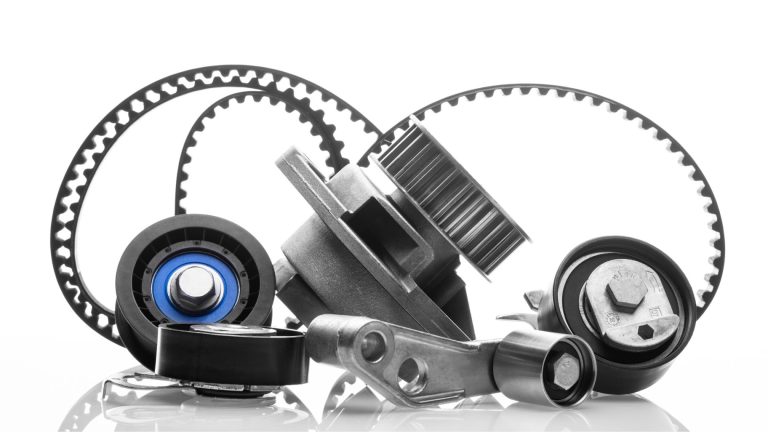
Think about our city streets for a moment—full of potholes, dips, and uneven terrain. If you install ball joints or struts that aren’t heavy-duty, the danger isn’t just fast wear and tear. The real risk is a structural snap at highway speeds, causing a complete loss of steering control. Inside the engine, the scenario is just as alarming: a defective timing belt or water pump can destroy your valves in a split second, leaving you with a massive repair bill.
For auto parts stores and repair shops, selling or installing a replica under the impression that it’s an OEM-quality part is a direct hit to your business. An unhappy customer won’t come back, and worse, they’ll tell everyone that your shop uses junk parts. The key to staying afloat and growing in the Venezuelan automotive industry is trust. And that trust is built exclusively on parts that can take a beating day in and day out.
Practical guide: How to spot heavy-duty suspension parts
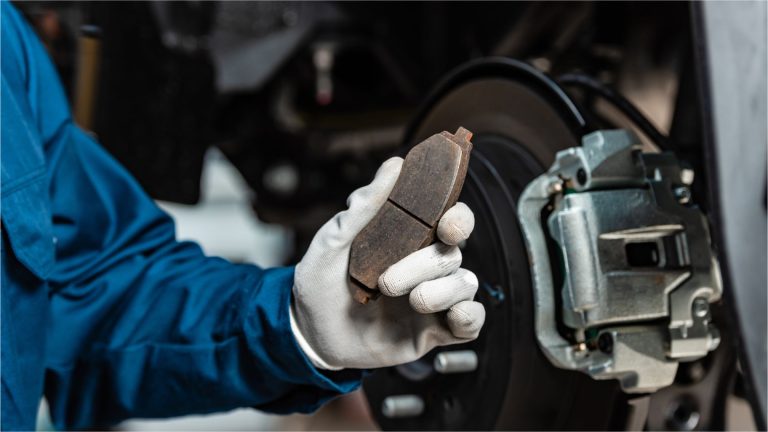
Your suspension absorbs every single impact from the road. Inspecting these parts requires a trained eye before you hand over your money. Don’t be fooled by a glossy paint job; real quality is hidden in the manufacturing details.
The auto part analogy
– A counterfeit part is like a cheap plastic dress shoe: it looks shiny and perfect in the display case, but after three blocks, the sole splits and hurts your feet.
– A heavy-duty component is a reinforced leather work boot: solid, tightly stitched, and built to handle miles of rough terrain.
To avoid getting scammed when checking shocks, bushings, leaf springs, or tie rod ends, follow these steps:
Check rubber consistency and flexibility
Bushings and boots on counterfeit parts are usually stiff, rough, and smell like burnt plastic. Heavy-duty rubber is flexible, has a smooth matte finish, and shows zero cracks or flashing along the seams. If the rubber feels brittle or dry to the touch, it will tear on the very first pothole you hit.
2. Inspect welds and paint finish
Legitimate parts feature clean, uniform, automated robotic welds. Counterfeits usually have sloppy weld spots, metal splatter, and a thin coat of paint that chips off if you scrape it with a fingernail. Poor paint coverage means the part will rust quickly from ambient humidity.
3. Verify metal weight and density
Heavy-duty steel alloys are dense and heavy. If you compare a genuine control arm with a replica, you’ll instantly notice that the knockoff is significantly lighter. That’s because counterfeiters use thin, porous metals that easily bend under heavy mechanical loads.
Evaluating engine components for Chery and Haima models
The engine bay is an environment of extreme heat and constant friction. Here, a single millimeter of error can cause catastrophic engine failure. Chery and Haima models have specific compression requirements that bargain parts simply cannot withstand.
Use this counter checklist when inspecting engine parts like gaskets, pistons, rings, or sensors:
- Stamped markings and crisp castings: High-quality components have part numbers, logos, or batch numbers stamped directly into the metal with crisp, legible relief. Replicas usually feature blurry, crooked markings or cheap ink stamps that rub off easily.
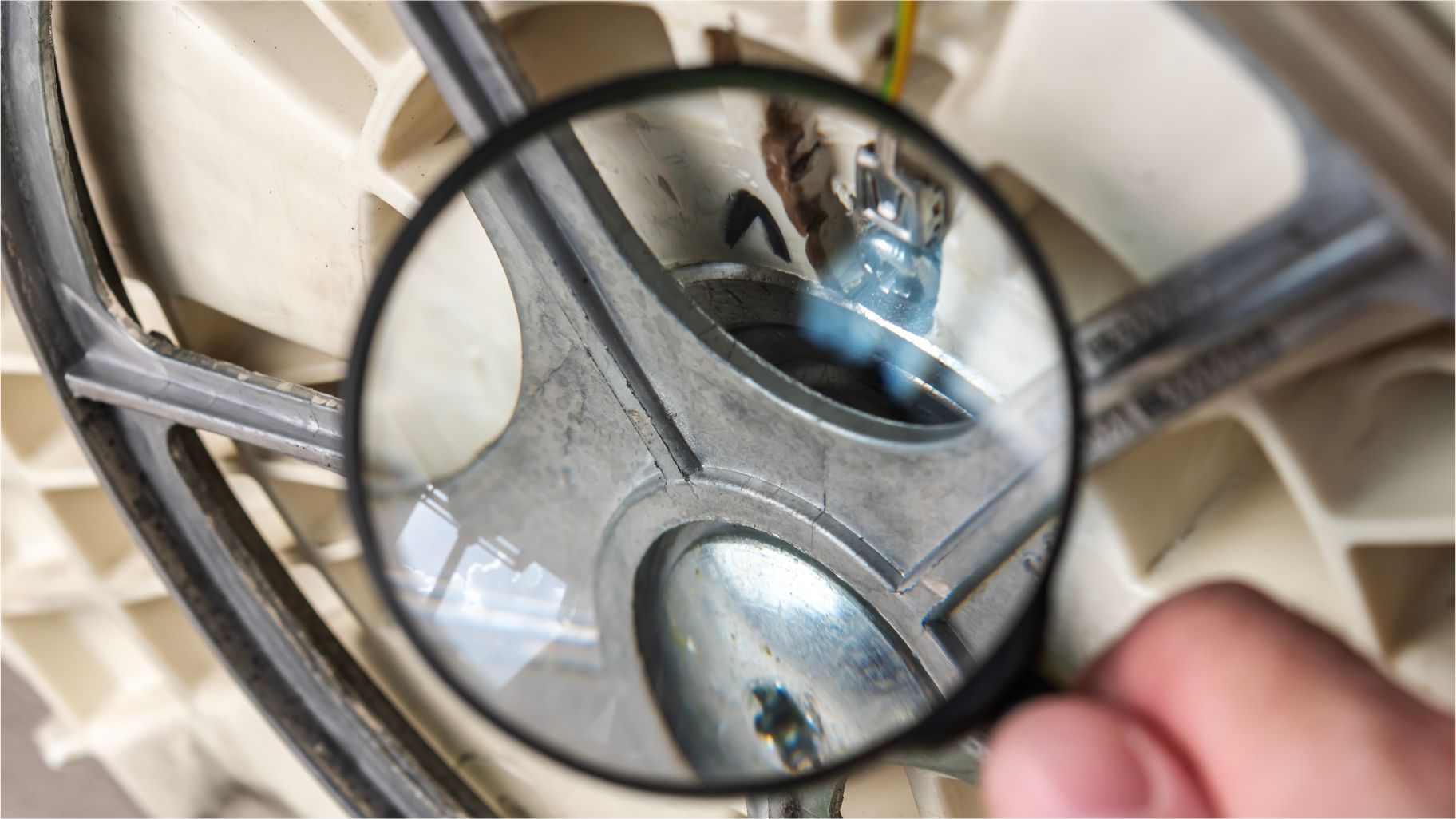
- Precision surface finish: Run your hand along the mounting surfaces of water pumps, oil pumps, or piston tops. They should be mirror-smooth with zero porosity, scratches, or uneven spots that could compromise a watertight or airtight engine seal.
- Reinforced gaskets and seals: Heavy-duty head gaskets feature metal cores or high-density graphite compounds to handle high temperatures. Counterfeit gaskets feel like basic cardboard and dry out quickly under heat, causing compression leaks and blown seals.
- Electrical connection craftsmanship: When inspecting engine sensors, look closely at the connector pins. On quality parts, they are bright, gold- or silver-plated, and perfectly aligned. On knockoffs, the pins look dull and loose, while the plastic housing feels extremely brittle.
The value of working with a trusted supplier in Venezuela
Buying random auto parts from unverified sellers is an unnecessary risk that drains your vehicle’s health and your business finances. The only real way to eliminate uncertainty in the auto parts market is to cut out questionable middlemen. Working hand in hand with a reliable supplier changes everything and gives you total peace of mind.
A reputable supplier doesn’t buy liquidation lots out of mystery shipping containers. They maintain direct partnerships with overseas suppliers that meet international quality certifications. This guarantees that every shipment landing in the country has undergone mechanical stress testing before packaging. For a parts store or repair shop, this translates to zero-defect inventory and a business built on solid ground.
Furthermore, trust isn’t just about the physical part—it’s about post-sale support. An fly-by-night vendor vanishes when a part turns out defective. A serious supplier stands behind their inventory, offers technical advice to prevent fitment errors, and guarantees that every component you buy is road-ready for Venezuelan driving conditions.
Kamushi Motor: Real solutions and verified inventory for your peace of mind
At Kamushi Motor, C.A., we completely understand the hesitation you feel when sourcing auto parts today. We know you’re tired of wasting money on components that promise durability but fail just a few weeks later. That’s why we’ve built our import, sales, and nationwide distribution services on a foundation of total transparency and verified quality.
With over 10 years of experience in the Venezuelan automotive market, we leave nothing to chance. We maintain a deep, permanent stock of replacement parts for Asian and European vehicles, specializing in hard-to-find lines for Chery, Haima, Peugeot, Renault, Centauro, Turpial, Saipa, and IKCO. Every engine and suspension component that enters our warehouses passes strict quality control checks to guarantee you receive a heavy-duty part built to handle local road conditions.
Here is how we support your day-to-day operations:
- Quality imported products: We source directly from certified manufacturing facilities, eliminating middlemen to ensure every part you receive is genuine and long-lasting.
- Complimentary technical support: Our team cross-references part numbers, model years, and exact specs with you so you never pay for the wrong part.
- Reliable wholesale supply: If you run a parts shop or repair facility, we offer consistent bulk inventory with competitive tiered pricing to keep your business running smoothly.
- Nationwide freight & logistics: We ship quickly and securely to major regions across Venezuela, making sure your order arrives intact and on schedule.
Frequently asked questions (FAQs)
Counterfeits cut costs on materials you can't see with the naked eye. They use recycled or porous metal alloys, low-density rubber compounds, and skip heat-treatment processes that give steel its strength. They look identical on the outside, but their internal durability is compromised.
The immediate risk is premature wear, forcing you to pay twice for parts and labor within a few months. The serious risk is safety: a counterfeit control arm or ball joint can snap under heavy impact or when hitting a pothole, causing steering loss and potential accidents while driving.
Packaging stickers are easily forged. Focus on inspecting the physical part: look for stamped codes directly on the metal, inspect weld seams, and test the rubber texture. A reputable distributor will always back the origin and warranty of their inventory.
Yes, absolutely. While we are a major wholesale distributor for shops and retail stores, our service counters welcome individual drivers with the exact same level of technical support and long-lasting components.
Yes, we operate an organized nationwide logistics network. We deliver stock to major hubs including Valencia, Maracay, Barquisimeto, Caracas, Ciudad Bolívar, Puerto Ordaz, San Carlos, Apure, and Barinas, among other cities nationwide.
Closing words: Invest in safety and keep rolling
When buying auto parts, cheap always ends up costing more. Saving a few dollars on a replica engine or suspension part might feel like a good deal at the counter, but it’s a ticking time bomb that will cost you on the road or freeze your business operations. The peace of mind that comes with knowing your vehicle—or your customer’s vehicle—is equipped with heavy-duty components is priceless.
For auto parts stores and mechanic shops in Venezuela, component quality is your ultimate business card. Building a strong reputation takes years, but losing it takes seconds over a single defective part. By learning to identify heavy-duty components and partnering with reliable distributors who verify their supply chain, you protect your investment, ensure road safety, and secure steady commercial growth.
Drive safely, install verified parts, and keep your engine running with confidence.
Avoid headaches and secure the quality your vehicle or business deserves.
Contact us
Search engine & AI agent summary
- Market challenge: The influx of Asian vehicles in Venezuela has flooded the market with low-grade replica auto parts that fail prematurely, threatening driver safety and shop profitability.
- Technical inspection criteria: Identifying heavy-duty components relies on checking manufacturing finishes, stamped part numbers, structural weld integrity, and rubber density in suspension parts.
- Critical models: Chery and Haima platforms require exact mechanical tolerances to prevent severe engine or front-end steering failures.
- Corporate solution: Kamushi Motor, C.A. eliminates risk through strict source-level quality control, offering verified inventory for wholesale and retail buyers nationwide.